
Tactical optics and flashlights have come a long way since they first appeared over a century ago. Today, these accessories are standard on most modern individual weapons, whether for professional duties, competitive shooting, or airsoft.
Using a rifle scope, a red dot sight, or a tactical flashlight offers major benefits, including faster target acquisition, quicker positive identification, and increased accuracy. However, this gear remains highly sensitive to outdoor environments. Glare, dust, impacts, and scratches can quickly compromise its effectiveness.
In this article, we’ll explore how environmental factors impact your optics and flashlights, and look at the best solutions to effectively protect your tactical gear.
Why Should You Protect Your Tactical Optics and Flashlights?
Whether you are on deployment, at the shooting range, or playing airsoft, weapon-mounted optics and flashlights provide a critical advantage.
Specifically, they deliver:
- Fast and reliable target identification;
- Improved shooting accuracy;
- Quicker visual target acquisition;
- Better performance in low-light conditions or night environments.
However, several environmental factors can reduce their efficiency:
- Sun glare;
- Incoming enemy light beams;
- Dust and debris;
- Rain and moisture;
- Brush and branches;
- BB or debris impacts;
- Lens scratches.
To mitigate these issues, a few simple and effective solutions exist: killflashes and protective lens covers (or flip-up caps).
The Killflash: Discrete and Effective Lens Protection
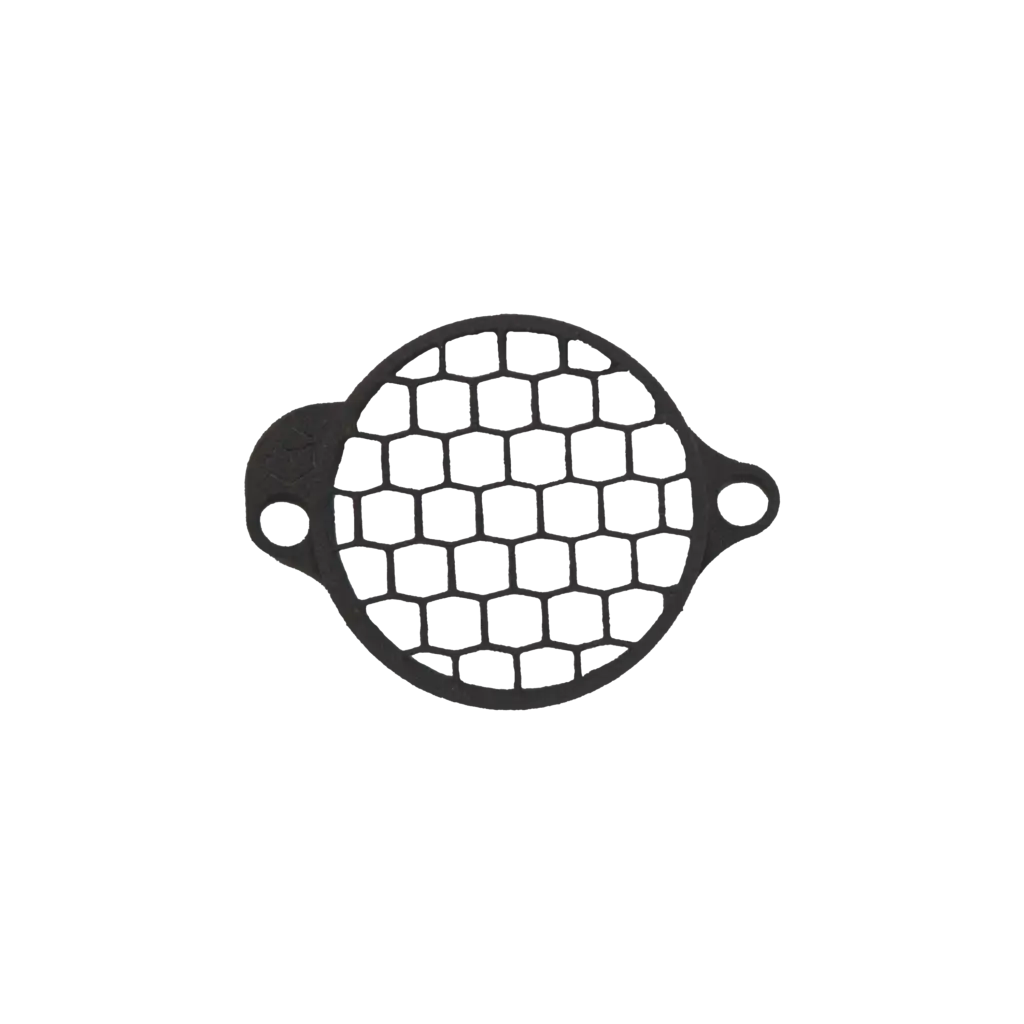
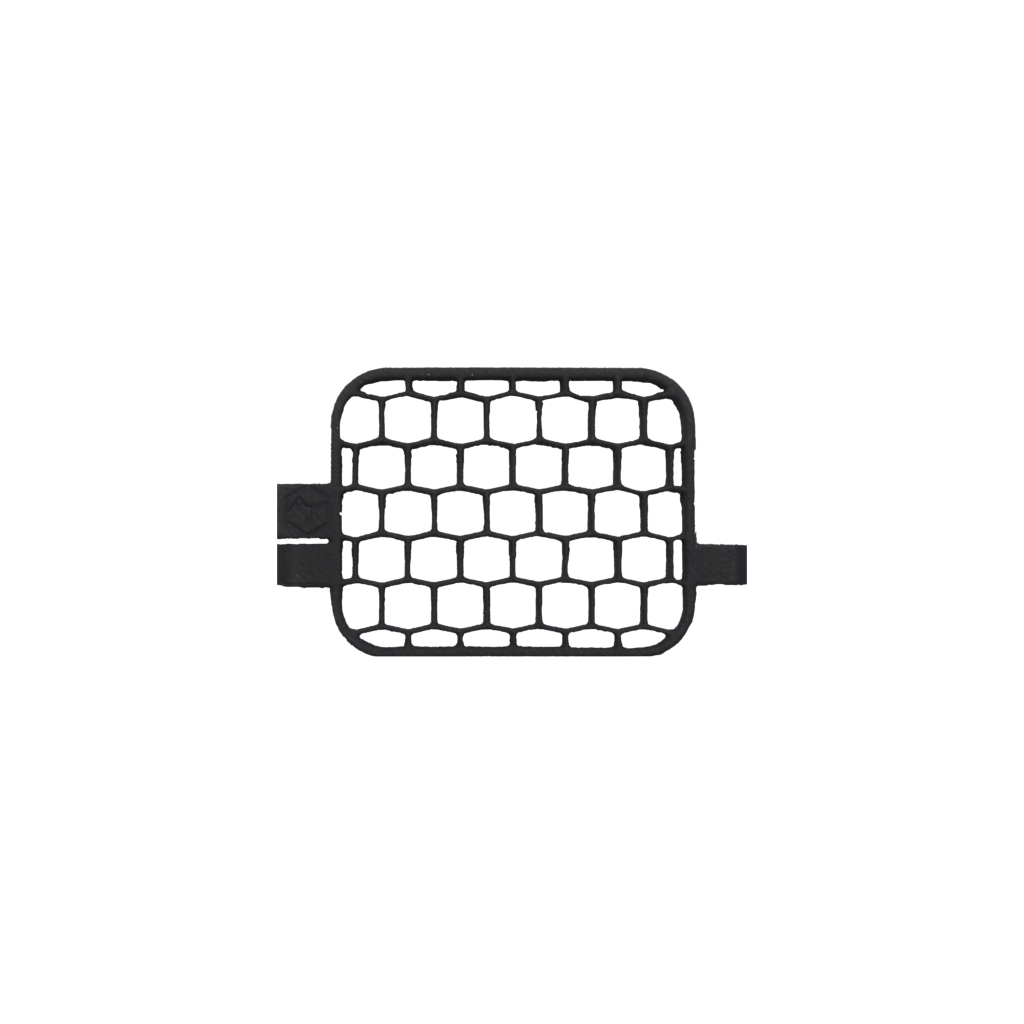
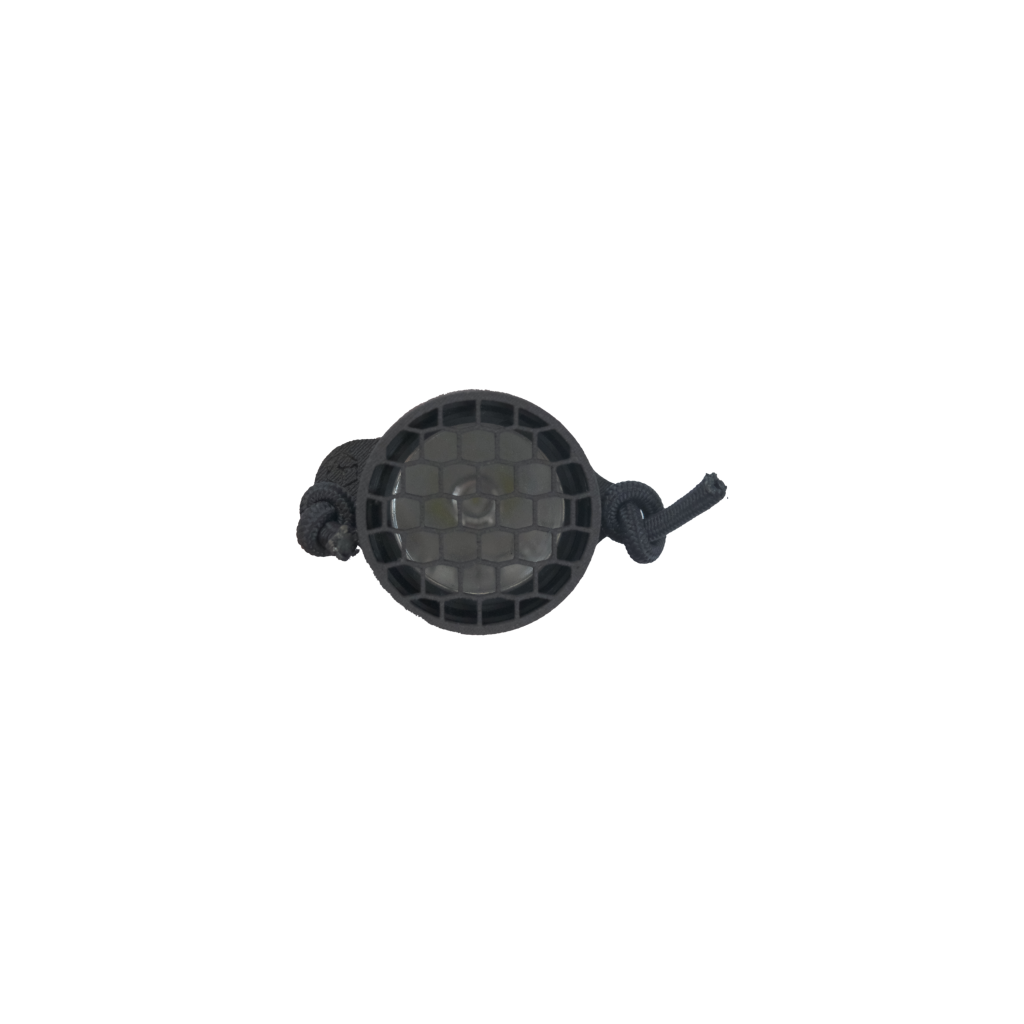
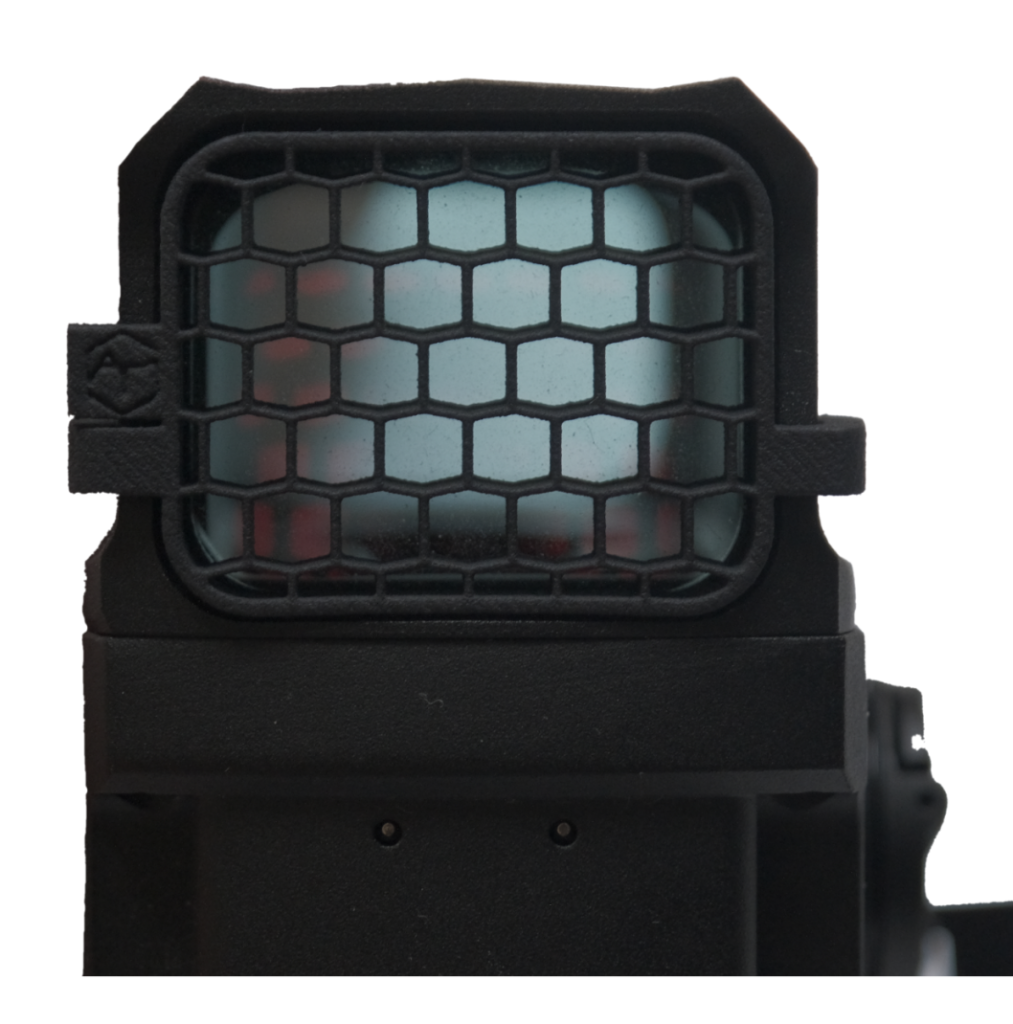
Le killflash est une protection en nid d’abeille installée à l’avant d’une optique ou d’une lampe tactique. Son rôle principal est de réduire les reflets lumineux susceptibles de révéler votre position.
How Does a Killflash Work?
Thanks to its unique honeycomb design, a killflash minimizes light reflection on the lenses:
- During the day: it reduces sun glare;
- At night: it dampens reflections caused by external light sources.
While these details may seem minor, a single flash of light can be enough to expose your position at the worst possible moment.
A killflash acts as a passive barrier on:
- Rifle scopes;
- Red dot sights;
- Tactical flashlights.
Benefits of a Killflash
Using a killflash offers several advantages:
- Superior glare reduction;
- Lightweight scratch protection;
- Protection against minor impacts;
- Enhanced visual concealment;
- Permanent, hands-free operation.
In airsoft, it also protects your expensive optics from direct BB strikes. Replacing a killflash is significantly cheaper than buying a brand-new scope or tactical light.
Drawbacks of a Killflash
While highly effective, killflashes do have some limitations. The thicker the honeycomb grid, the more it restricts:
- The brightness output of your flashlight;
- The light transmission and field of view through your optic.
Un modèle trop restrictif peut donc dégrader le confort d’utilisation et les performances visuelles.
Protective Lens Covers and Flip-Up Caps
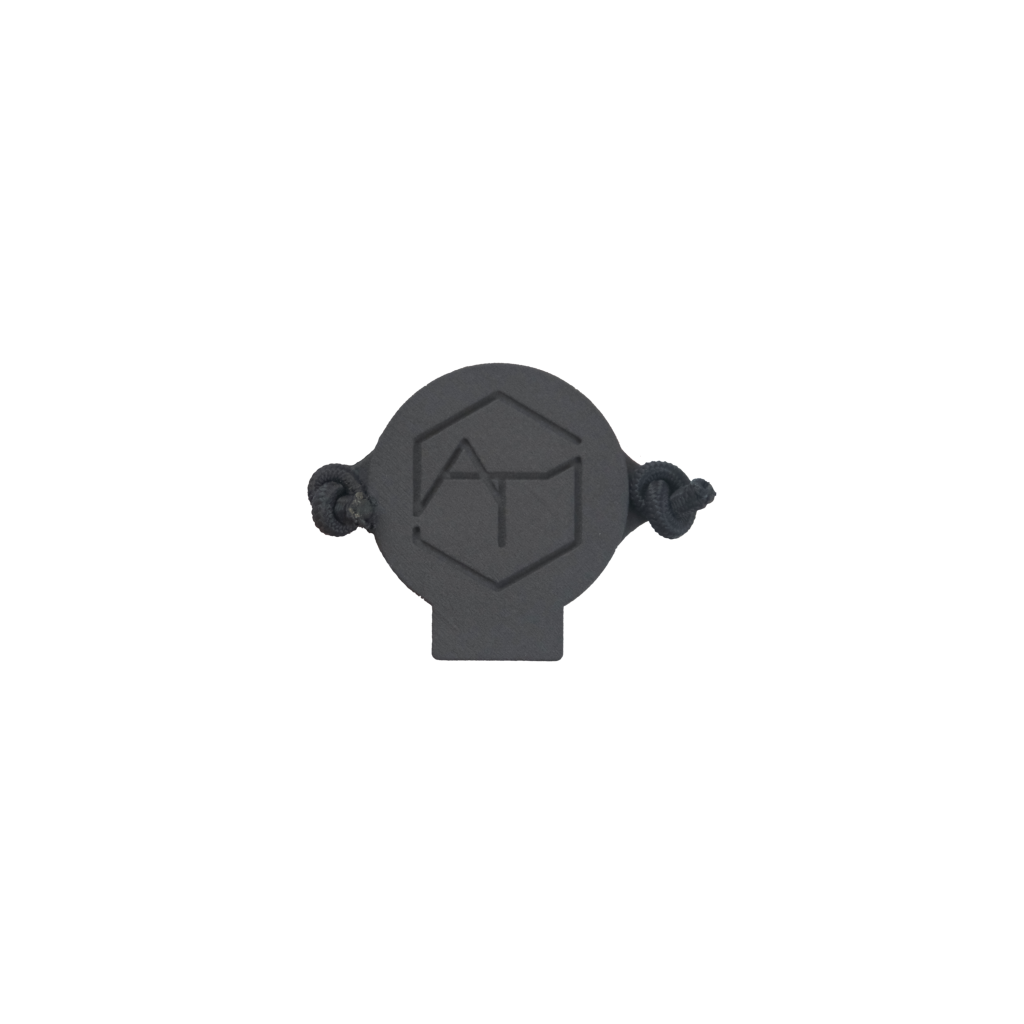
Protective lens covers (often referred to as flip-up caps or scope caps) are another highly popular solution for safeguarding tactical optics and lights. Unlike a killflash, they completely seal and cover the lens.
Benefits of Protective Lens Covers
Scope (or light) caps provide comprehensive protection when closed against:
- Glare and reflections ;
- Dust and dirt;
- Scratches ;
- Water splashes and mud;
- Minor physical shocks.
They are especially useful during:
- Transport;
- storage ;
- Movement through dense or rough terrain.
- Les deplacement en basse luminosité
By hermetically sealing a white-light flashlight head during night movements or low-light operations, a protective lens cover helps maintain critical operational stealth. Indeed, by preventing any accidental activation—or negligent discharge—of white light, it stops surrounding personnel or surveillance assets from spotting your position in a dark environment where no light should normally be visible.
By preventing dust and moisture from settling on the glass, they preserve your optical clarity over the long term.
Drawbacks of Lens Covers
The main disadvantage of lens covers is that they require manual action. Before you can use your optic or flashlight, you must:
- Open;
- remove ;
- or flip up the cap.
In high-stress situations requiring an immediate reaction, this can be a serious drawback.
For instance, if you need to instantly activate your tactical flashlight to identify a potential threat, a closed cover will slow you down.
Killflash vs. Lens Cover: Which One Should You Choose?
Choosing between a killflash and a protective cap depends mainly on your specific use case.
Choose a killflash if you want:
- Permanent lens protection;
- Passive glare reduction;
- Immediate use without manual manipulation;
- A great balance between stealth and efficiency.
Choose a lens cover if you prioritize:
- Maximum lens protection;
- Long-term storage safety;
- Total shield against dust, rain, and heavy impacts.
The Ultimate Solution: Combining a Killflash and a Lens Cover
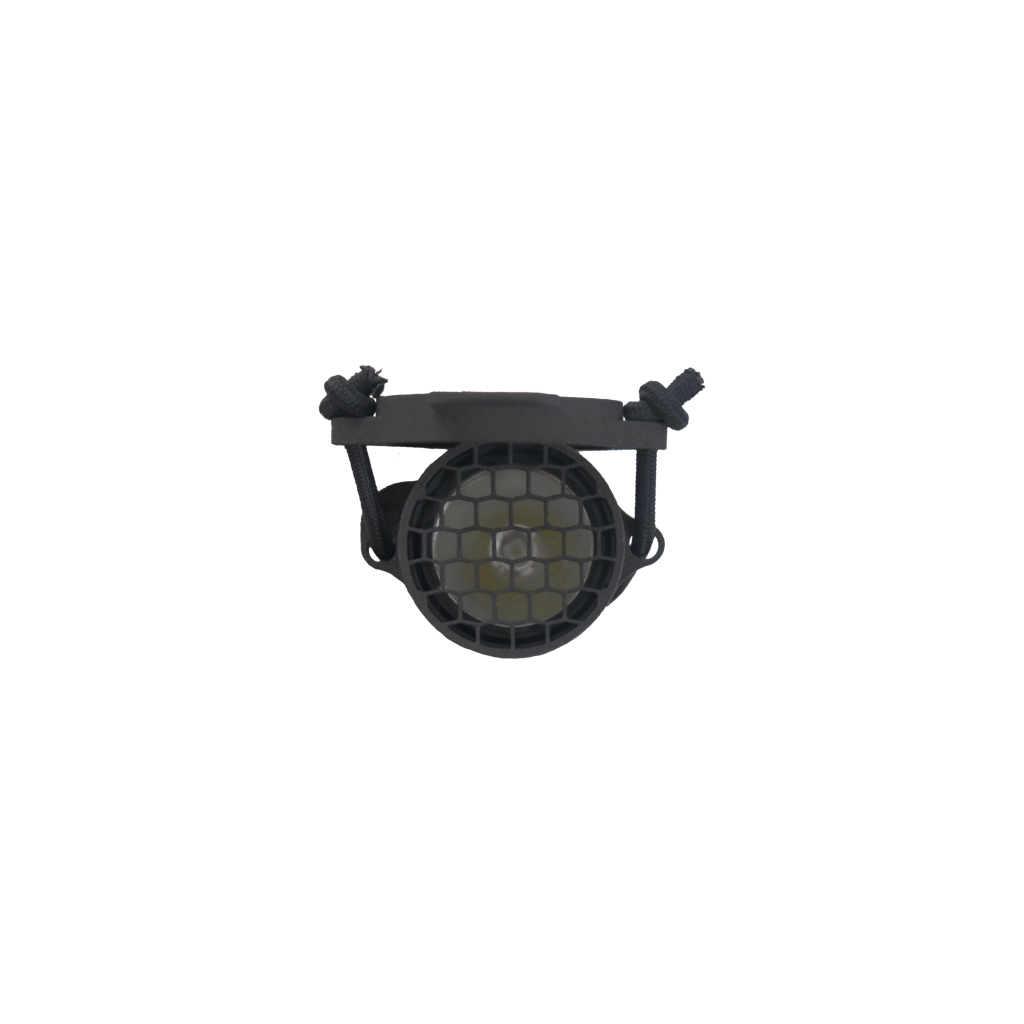
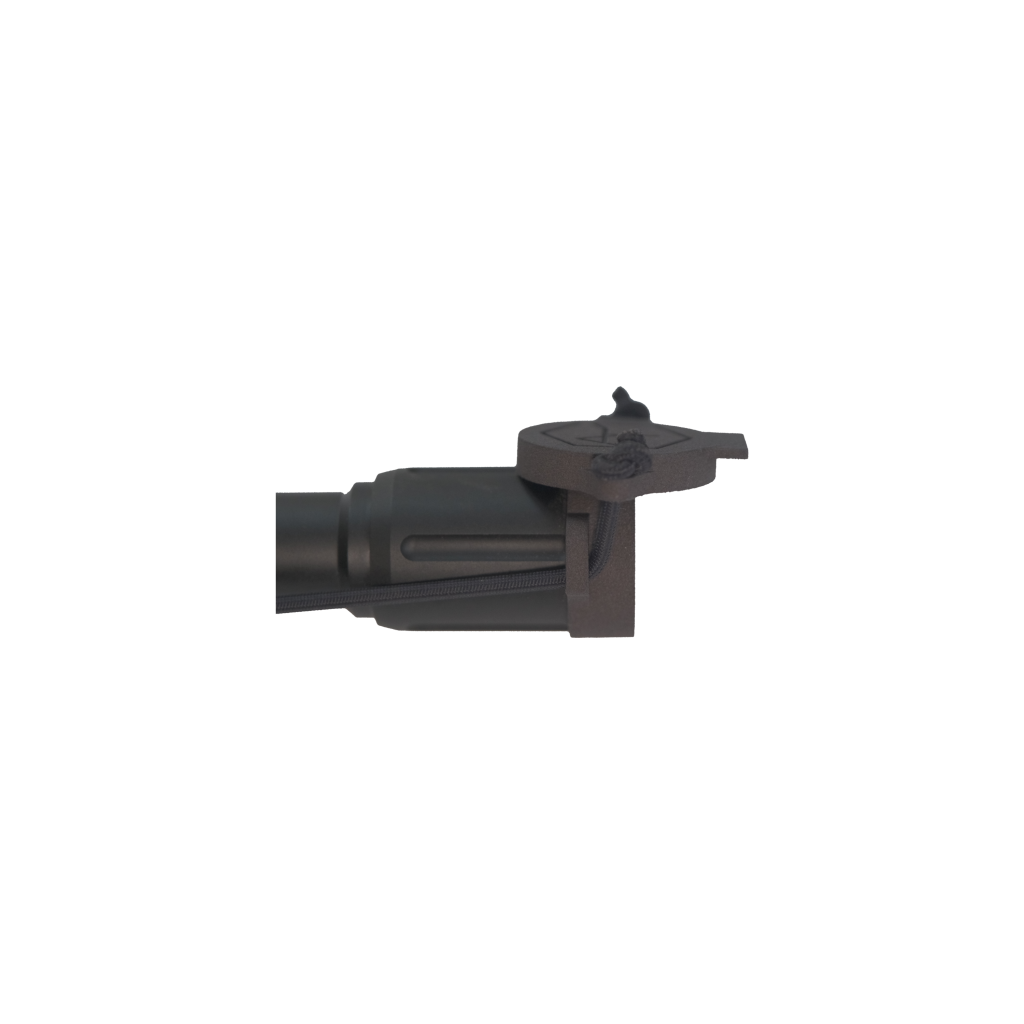
The most comprehensive setup often involves pairing a killflash with a flip-up lens cover.
This combination allows you to:
- Constantly reduce glare;
- Securely protect your glass;
- Maintain high tactical responsiveness;
- Extend the lifespan of your tactical accessories.
The killflash remains active and protects your lens when the cap is flipped open, while the cover ensures total protection during transit or storage.
Conclusion
Tactical optics and flashlights are essential gear that deserve proper protection. To counter glare, impacts, and harsh weather conditions, multiple solutions are available to maintain peak performance.
The killflash offers discrete, permanent, and passive protection, while lens covers provide total sealing for your glass. Used together, these two accessories deliver the ultimate compromise between gear protection, stealth, and operational readiness.